
Media Coverage
Explore Dr. Gaurav Batra Neurosurgeon media coverage featuring his insights on brain and spine health featured across top Indian news platforms
Why an epidemic of spine disorders has taken over India’s GenZ desk workers?
Dr Gaurav Batra, Neurosurgeon (Brain & Spine), Max Super Speciality Hospital, Vaishali, addressed with News9Live about how spine ailments are becoming more widespread among India’s desk workers, including children.
A neurosurgeon shares 6 daily habits that can harm your spine: sleeping on stomach, nice mattress.
To understand how some common habits may affect spinal health, Dr Gaurav Batra, neurosurgeon of the brain and spine at Max Super Speciality Hospital in Vaishali, told HT Lifestyle that the spine is the foundation of the body’s architecture, responsible for the majority of movements. However, several daily practices now jeopardize spinal health, resulting in severe backaches.
Beyond Back Pain: Why Spine Health is the Foundation of Overall Wellness
According to Dr Gaurav Batra, Neurosurgeon (Brain and Spine), Max Super Speciality Hospital, Vaishali, the spine is a portion of the neurological system that transmits messages from the brain to the body. When the alignment is interrupted or force is applied to the spine, or when the spine is harmed, these messages are broken, resulting in pain, weariness, muscle shrinking, and organ failure. Apart from a backache, slouching for hours at a time, bad posture, or improper lifting will all have severe consequences.
What is the Golden Hour of Stroke Treatment?
Dr. Gaurav Batra explains: “The golden hour refers to the first 60 minutes after stroke onset, during which immediate medical care can save brain cells and restore blood flow.” During this vital period, medicines such as clot-busting thrombolytic drugs can avoid lasting brain damage and increase the likelihood of complete recovery. “It’s the most vital time to diagnose and start therapy to reduce disability and death,” according to him.
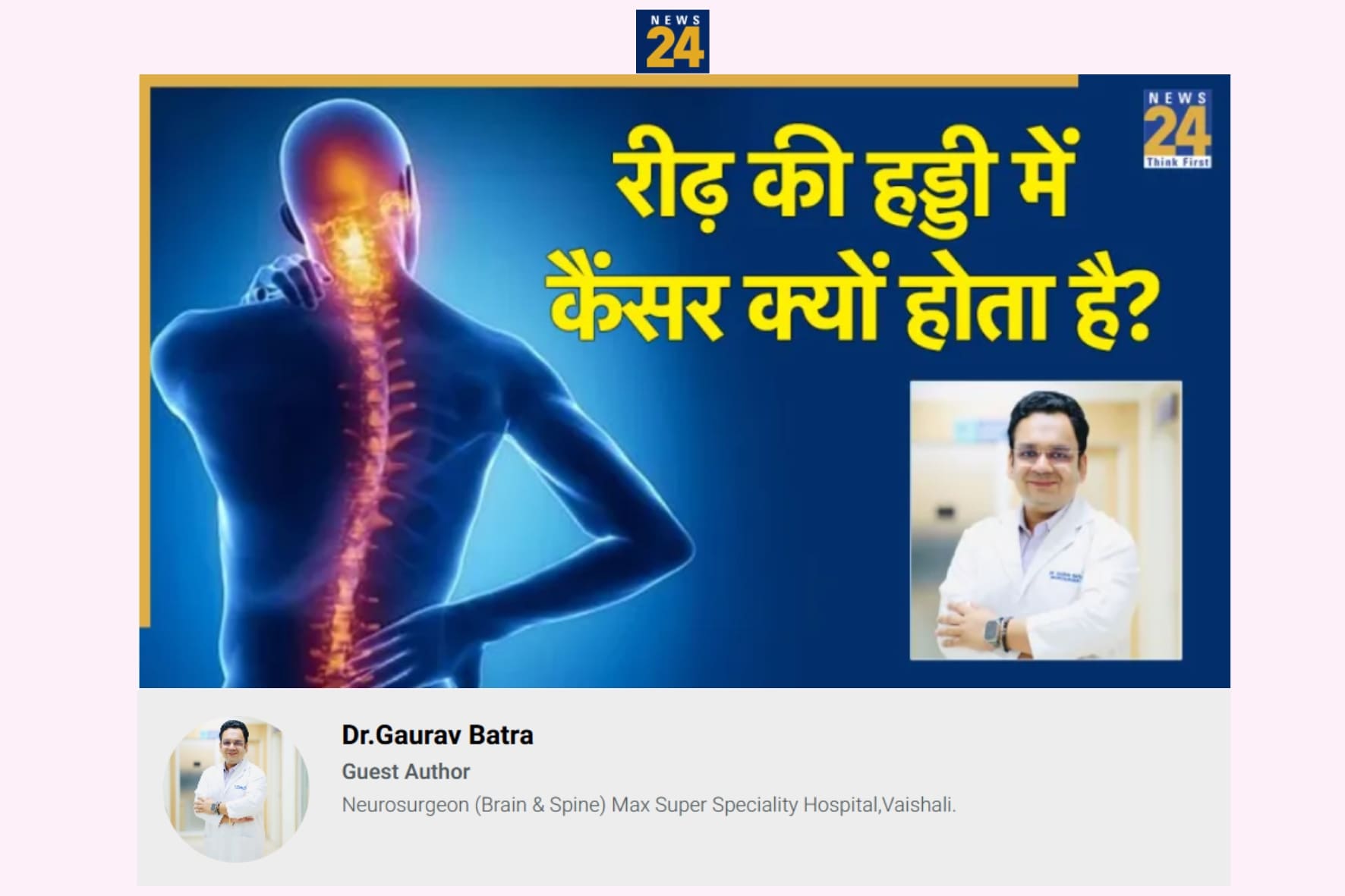
सर्दियों में होता है रीढ़ की हड्डी में दर्द, कैंसर का संकेत तो नहीं? न्यूरो सर्जन से जानते हैं सच्चाई
वैशाली के मैक्स सुपर स्पेशलिटी हॉस्पिटल के न्यूरोसर्जन (ब्रेन एंड स्पाइन) डॉ. गौरव बत्रा बताते हैं कि रीढ़ में कैंसर के दो प्रकार होते हैं प्राइमरी और सेकेंडरी. प्राथमिक स्पाइनल कैंसर में रीढ़ की हड्डी और टिश्यूज में कैंसर का सेल बनता है. इनमें ओस्टियोसार्कोमा, कॉर्डोमा और मायलोमा शामिल है. सेकेंडरी स्टेज में कैंसर किसी और अंग से शुरू होता है और रीढ़ की हड्डी तक फैल जाता है. इस प्रकार का कैंसर ज्यादा होता है.

सर्दियों में क्यों बढ़ जाता है स्पाइन में दर्द? इन टिप्स से रखें रीढ़ की हड्डी का ख्याल
सर्दियों का मौसम जहां एक तरफ गर्म चाय, धूप और ऊनी कपड़ों की गर्माहट लाता है, वहीं दूसरी तरफ इसका असर हमारे शरीर पर भी होता है। सर्दियों में कई तरह की बीमारियों और इंफेक्शन का खतरा भी बढ़ जाता है। वहीं बच्चे, बुजुर्ग और जो लोग पहले से किसी हेल्थ कंडीशन से परेशान हैं, उन्हें इस मौसम में अपना खास ख्याल रखना चाहिए। इस समय पर अस्थमा और जोड़ों के दर्द से परेशान लोगों की दिक्कत बढ़ सकती है। बहुत से लोगों को ठंड के दिनों में कमर दर्द, गर्दन में जकड़न, रीढ़ की हड्डी में दर्द या स्लिप डिस्क की समस्या बढ़ जाती है। चलिए एक्सपर्ट से जानते हैं कि ऐसा क्यों होता है और इससे बचने के लिए आपको क्या करना चाहिए? इस बारे में डॉ. गौरव बत्रा, न्यूरोसर्जन (ब्रेन और स्पाइन), मैक्स सुपर स्पेशलिटी हॉस्पिटल, वैशाली जानकारी दे रहे हैं।
Beyond seizures: The invisible burdens people with epilepsy carry
Dr. Gaurav Batra, Neurosurgeon (Brain & Spine), Max Super Speciality Hospital, Vaishali, states that people frequently have memory issues, difficulty concentrating, weariness, and dread of having a seizure in public.
Why Frequent Headaches Happen and Reasons
Dr Gaurav Batra, Neurosurgeon (Brain & Spine), Max Super Speciality Hospital, Vaishali, reveals, “Headaches are broadly classified as primary or secondary. Primary headaches, such as migraine, cluster & tension-type headaches are those without an identifiable underlying cause. Secondary headaches are due to underlying pathologies like traumatic brain injury, vascular disorders, hypertensive emergencies, acute hydrocephalus, stroke, intracranial hemorrhage, tumours, abscess, cysts, meningitis, dural sinus thrombosis, to name a few.”
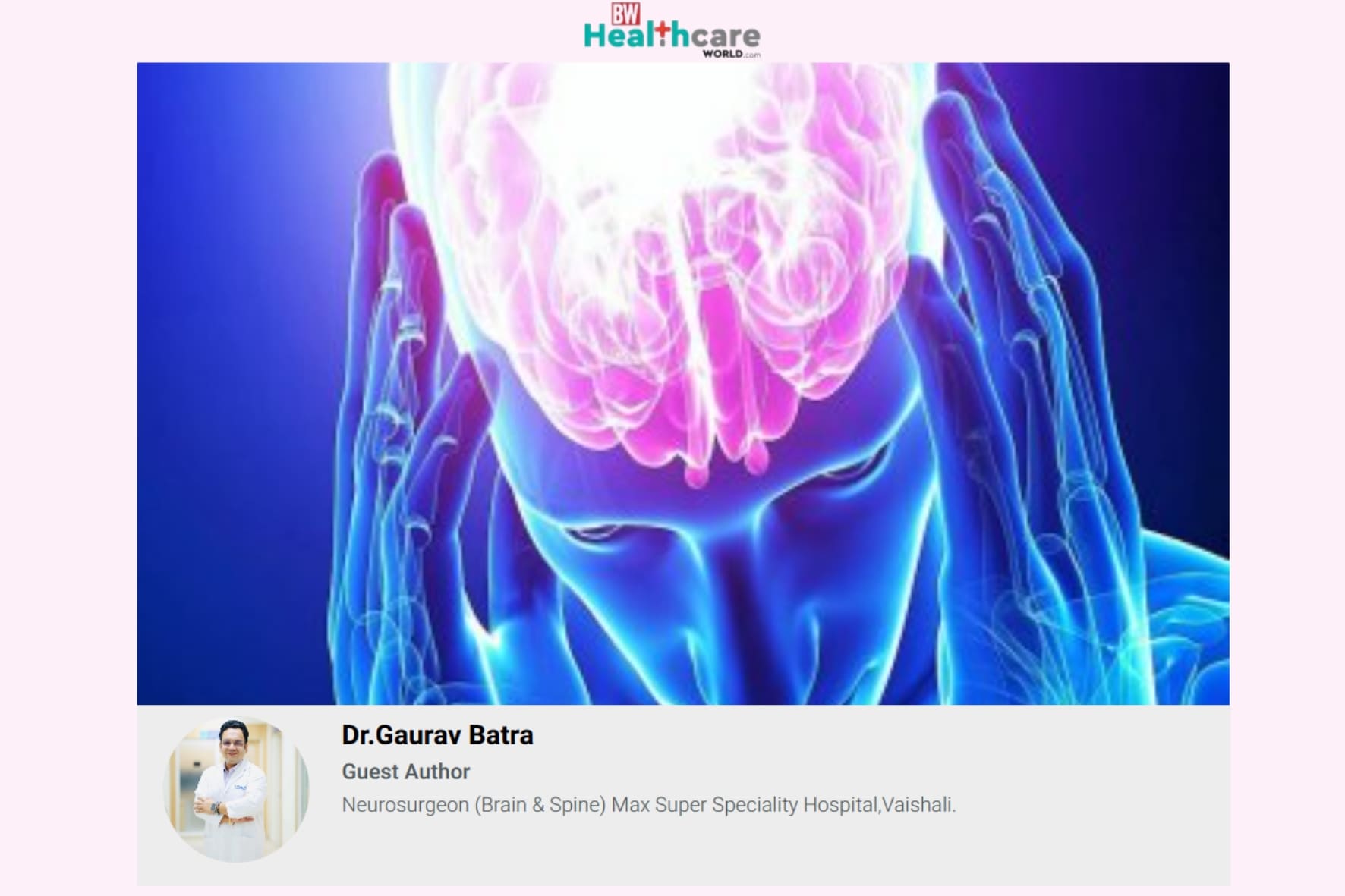
Congenital Brain Disorders: Early Detection Is Crucial
Congenital brain disorders are abnormalities present at birth that can result from developmental disruptions at various embryonic or fetal stages. The causes of the disorders may be due to gene mutation, chromosomal abnormalities, intrauterine infection during pregnancy, teratogenic exposure to toxic chemicals, high dose ionising radiation, neural tube defects or destructive lesions in utero . Some of the congenital brain disorders are anencephaly, myelomeningocele, meningocele, encephalocele, spina bifida occulta, holoprosencephaly, craniosynostosis, schizencephaly, lissencephaly, polymicrogyria, Dandy Walker Malformation, Chiari malformation and porencephaly.
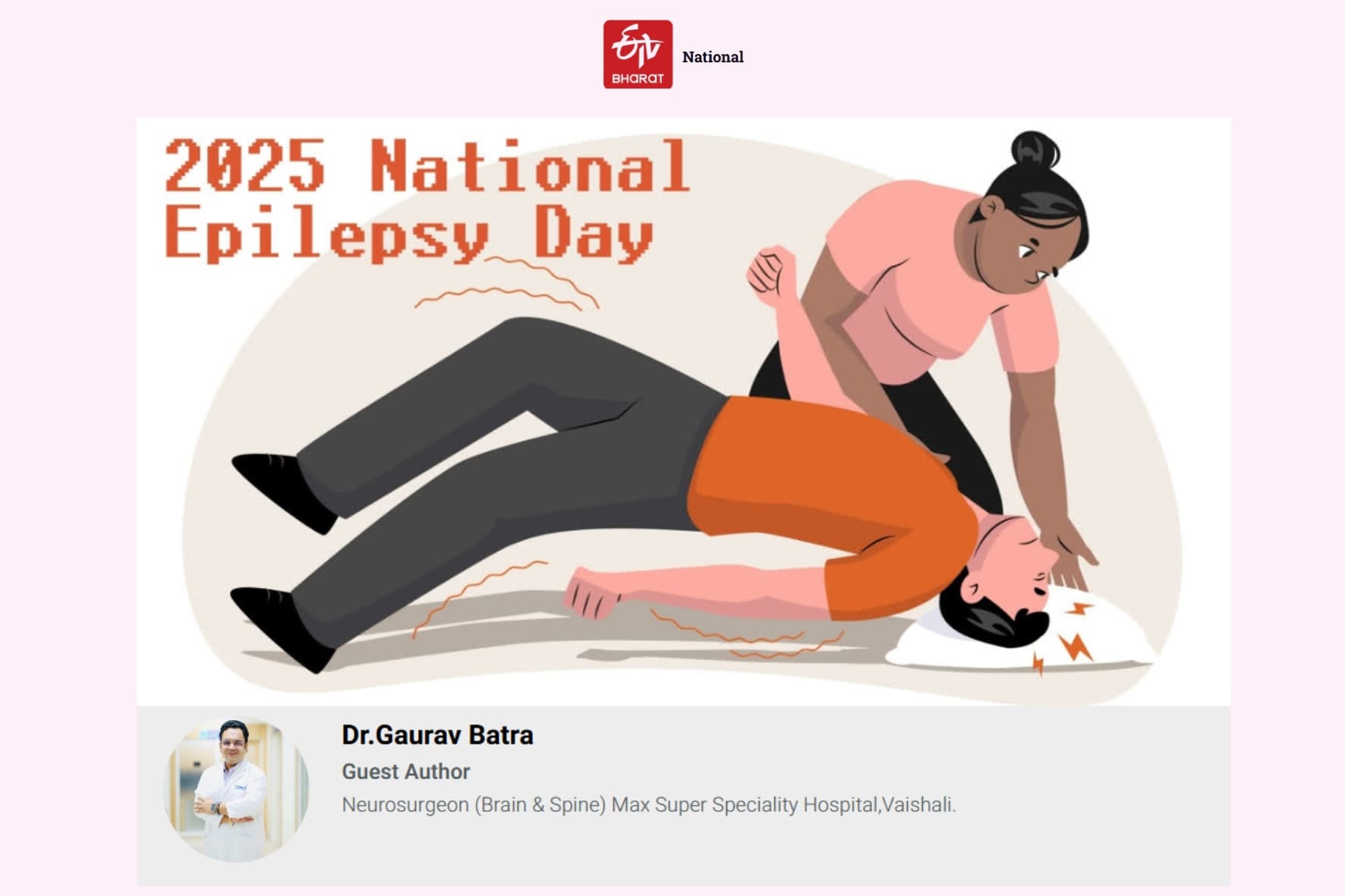
National Epilepsy Day 2025: Advancements In Epilepsy Treatment, From Medication To Surgical Interventions And AI-Enabled Devices
Dr. Gaurav Batra, Neurosurgeon (Brain & Spine), Max Super Speciality, Vaishali in Ghaziabad points to another promising shift: “Cenobamate and brivaracetam, two newer antiseizure medications that have found a strong foothold because they do the job with fewer side effects and fewer hospital visits.” Think of them as optimized firmware updates for the brain: stable, predictable, reducing noise without slowing down the system. “The idea behind them is simple: improve seizure control, reduce side effects, help patients live their lives, not their diagnoses,” he adds.
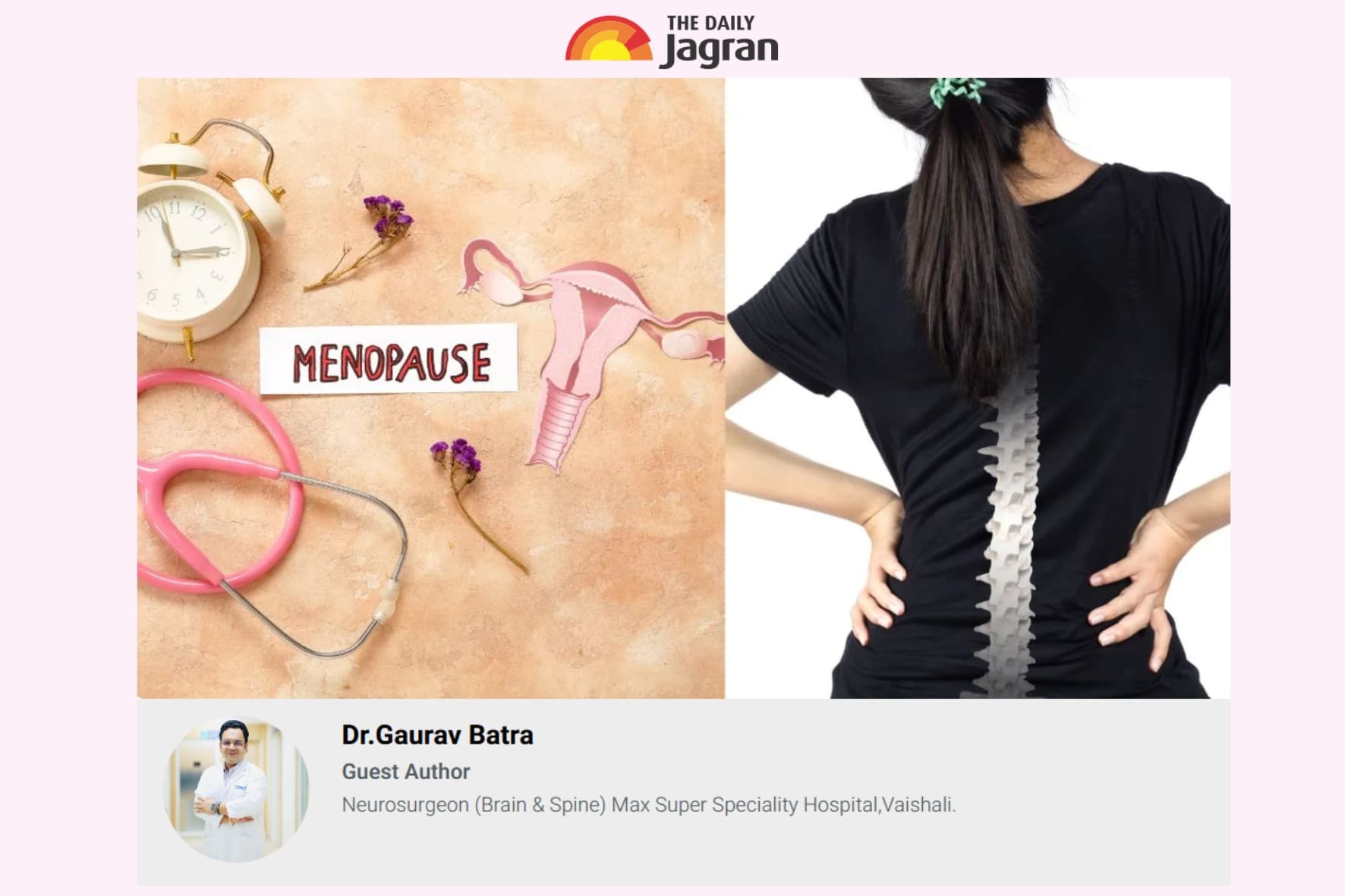
How Menopause Impacts Your Spine: Doctor Shares Hidden Hormonal Link Every Woman Should Know
Women in their menopausal years need to understand this hormonal connection. With the reduction of estrogen, bones become thinner since the body cannot replace old bone as quickly as it once did, and the vertebrae may be more likely to fracture or become deformed. Physicians and doctors stress that proactive steps-regarding diet, exercise, and medical interventions, can be taken to protect the spine during menopause. In conversation with The Daily Jagran, Dr Gaurav Batra, Neurosurgeon (Brain & Spine), Max Superspeciality hospital, Vaishali, shares the hidden hormonal link between menopause and spine that every woman should know.
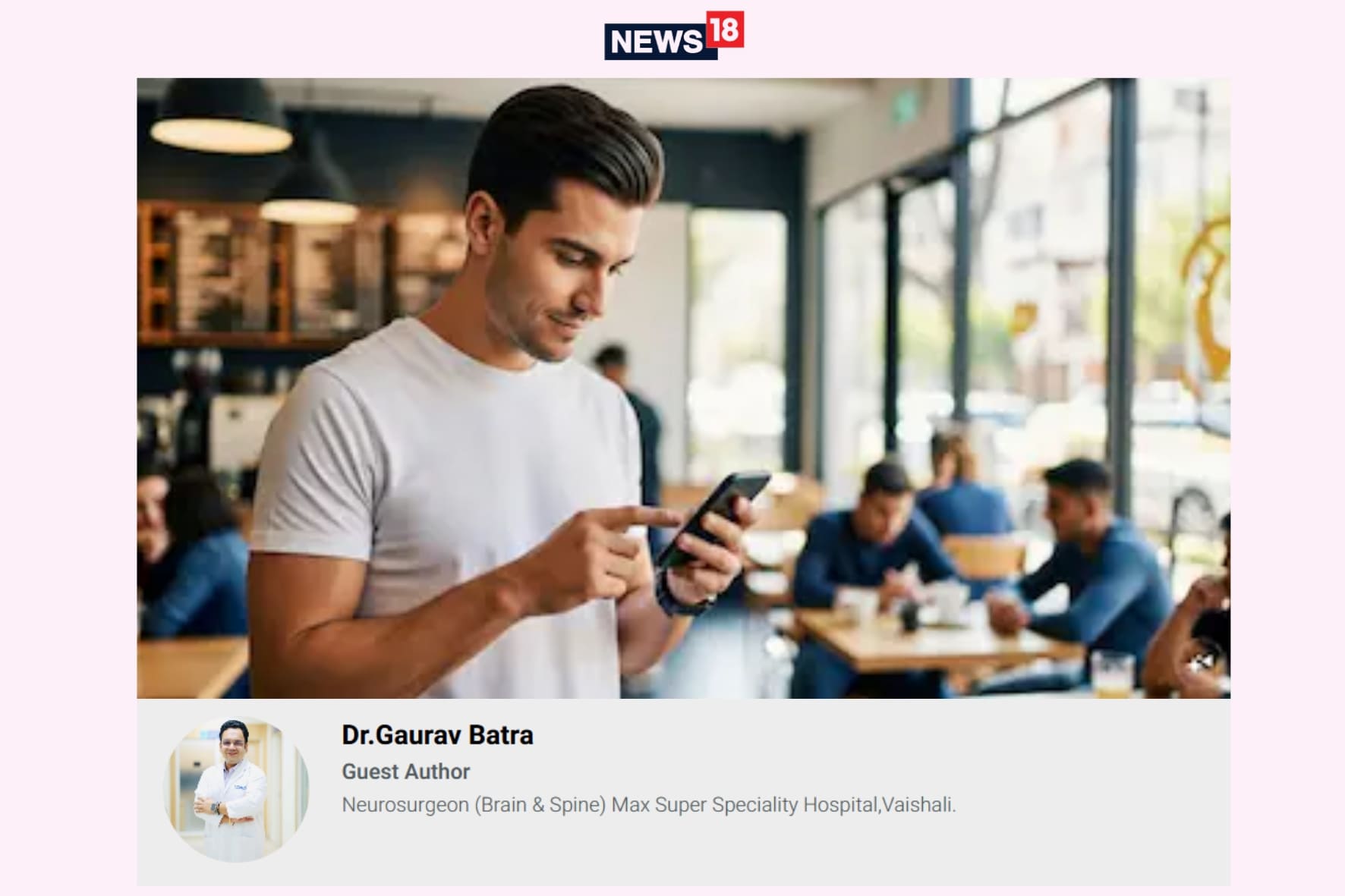
Always Looking Down? Doctors Warn About The Rising Risk Of Tech Neck Syndrome
Explaining the medical basis of the condition, Dr. Gaurav Batra, Neurosurgeon (Brain & Spine) at Max Hospital, Vaishali, says, “Too much screen time has caused a rising condition called tech neck.” He defines it as a cluster of symptoms caused by frequently bending the neck forward while using digital devices.
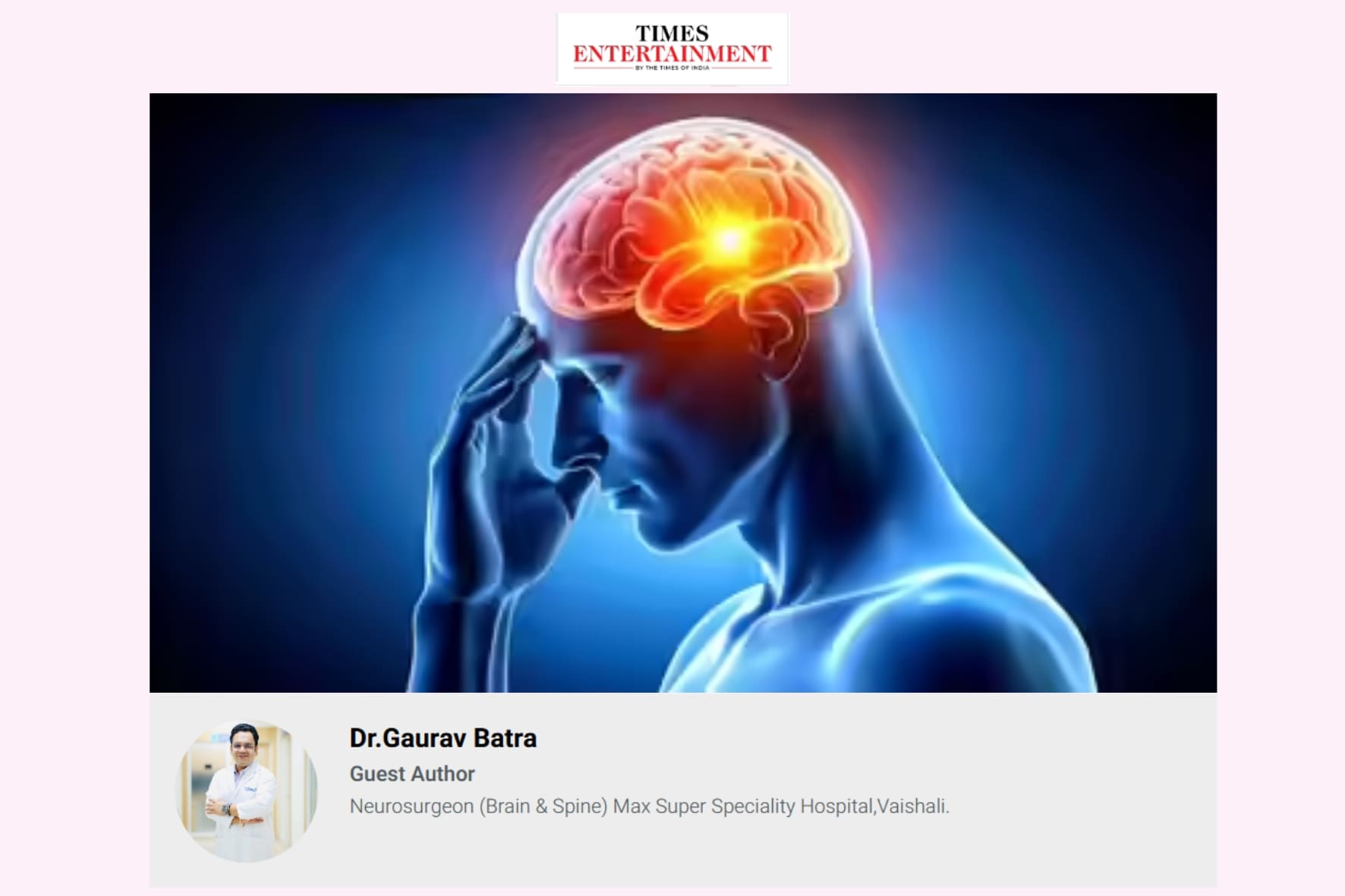
Why stroke risk increases in the colder months? Neurosurgeon explains how winter affects the blood flow in the brain
Explaining the medical basis of the condition, Dr. Gaurav Batra, Neurosurgeon (Brain & Spine) at Max Hospital, Vaishali, says, “Too much screen time has caused a rising condition called tech neck.” He defines it as a cluster of symptoms caused by frequently bending the neck forward while using digital devices.
Causes of back pain, stiff neck, sore spines: Neurosurgeon warns how modern desk life is breaking your back
The modern time has delivered comfort at the click of a button. Laptops, mobiles, and endless streaming have made life easier, faster, and far more convenient. However, this convenience comes at a cost. We are sitting more than any generation before us, and our spines are paying the price for this comfort-driven routine. Long hours hunched over desks and screens are quietly undoing years of natural movement.
According to Dr Gaurav Batra, Neurosurgeon (Brain & Spine), Max Hospital, Vaishali, the damage is gradual but serious. “Sedentary behaviour puts continuous pressure on the spinal cord. Slowly, the muscles that support the spine weaken, blood flow to spinal discs reduces, and patients start experiencing lower back pain, stiffness, and loss of flexibility,” he explains. Slouching, forward head tilt, and that familiar mobile-phone bend are no longer harmless habits but medical red flags.
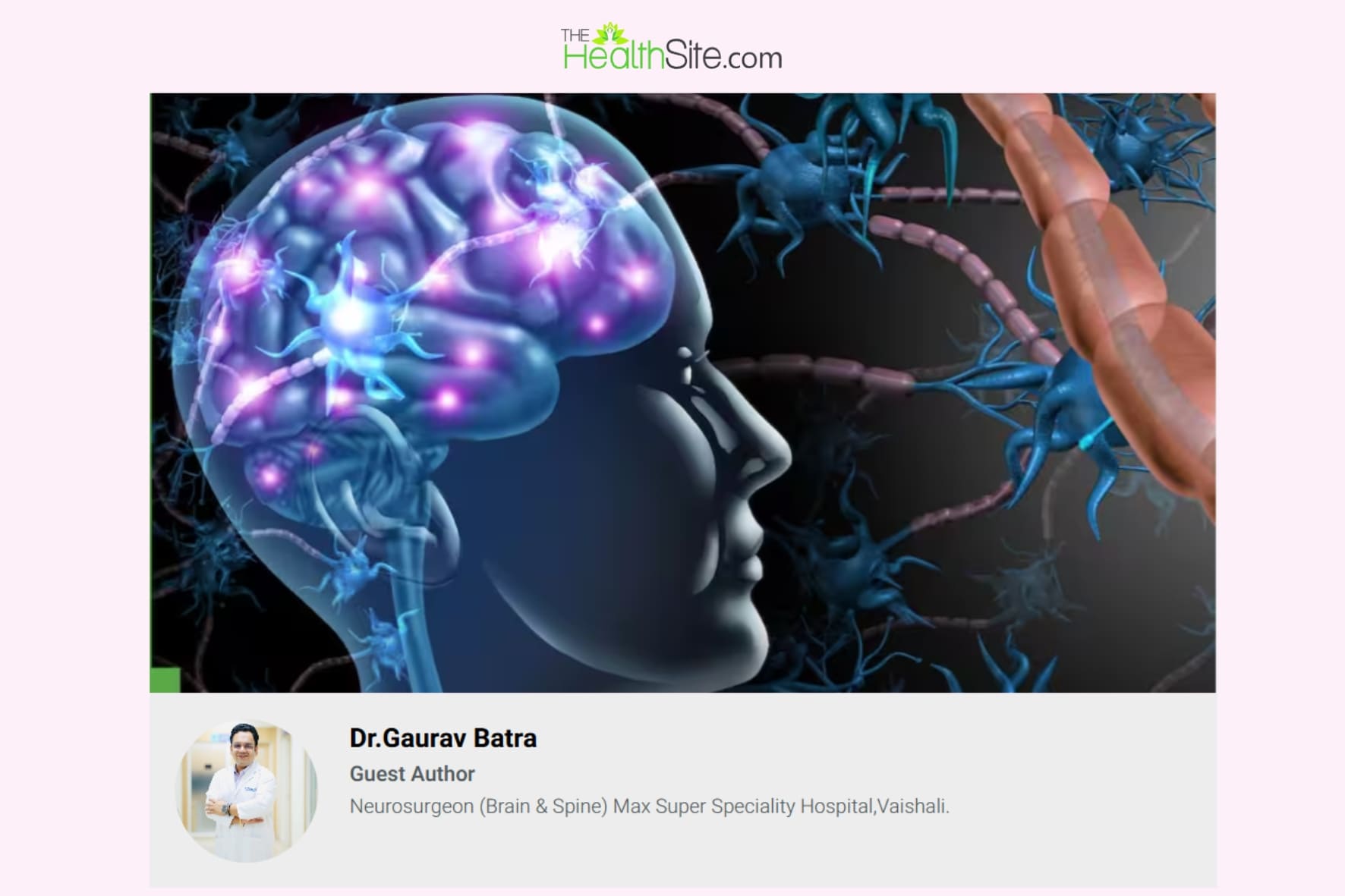
Brain Aneurysm Causes: How Uncontrolled High Blood Pressure Increases Your Risk of Silent Brain Damage
Brain aneurysms are the silent vascular damage you should never ignore. A brain aneurysm is regarded as a weakened area that bulges in the wall of one of the arteries in the brain. Many patients suffer from small brain aneurysms that are small and 80% do not produce any symptoms. However, if they burst, patients may suffer life-threatening bleeding strokes.
In this article, Dr. Gaurav Batra, Neurosurgeon (Brain & Spine), Max SuperSpeciality Hospital,Vaishali, helps us understand what exactly Brain aneurysms look like and what are the major contributing factors.
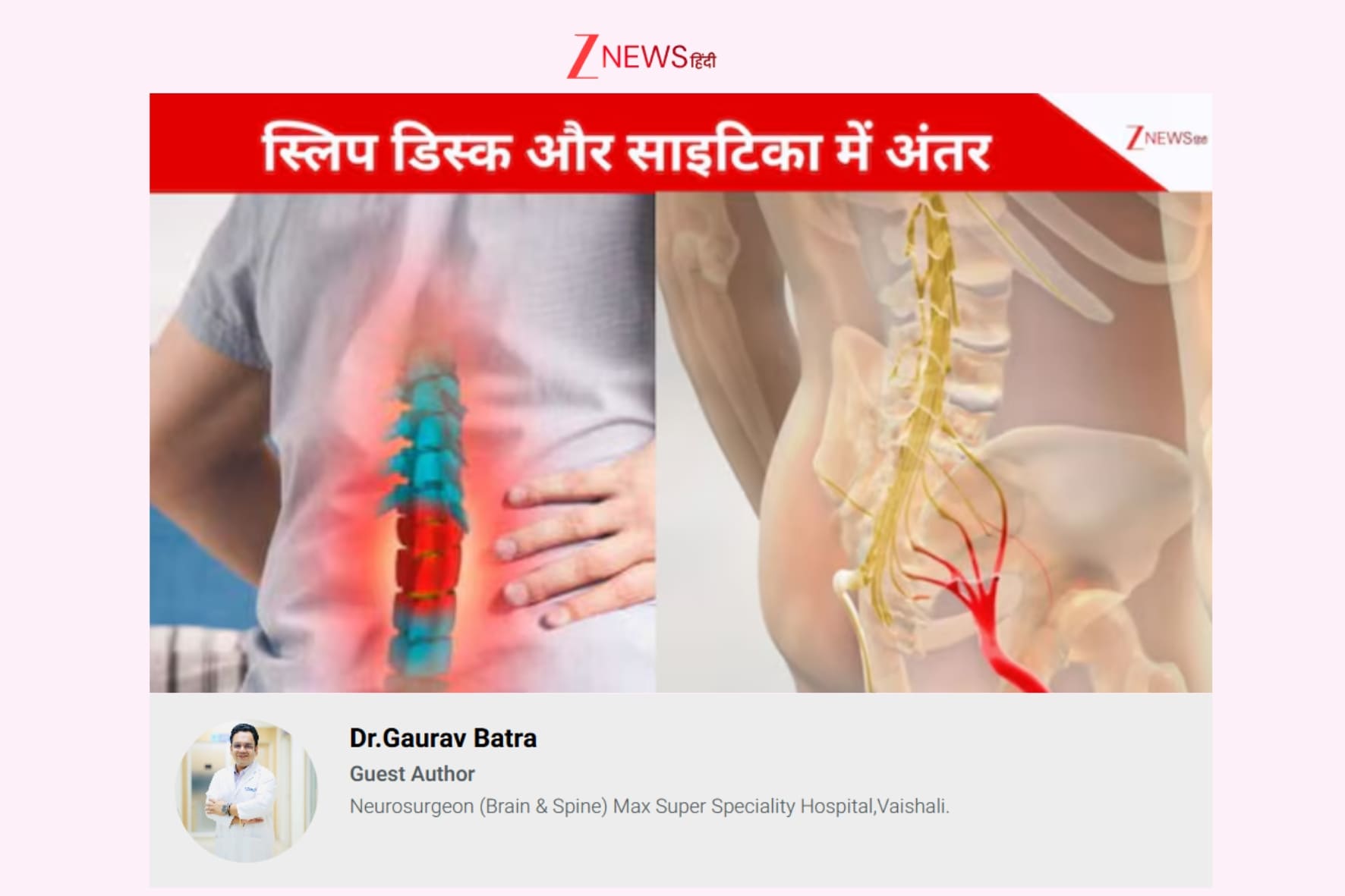
There is a difference between slip disc and sciatica pain; learn the causes and symptoms from a neurosurgeon!
Nowadays, people between the ages of 35 and 40 are suffering from back and waist pain. Back and waist pain can be caused by many factors. People often mistake a slipped disc and sciatica for the same thing, but they are different. Let’s learn the difference between a slipped disc and sciatica from Dr. Gaurav Batra, neurosurgeon at Vaishali Max Hospital.
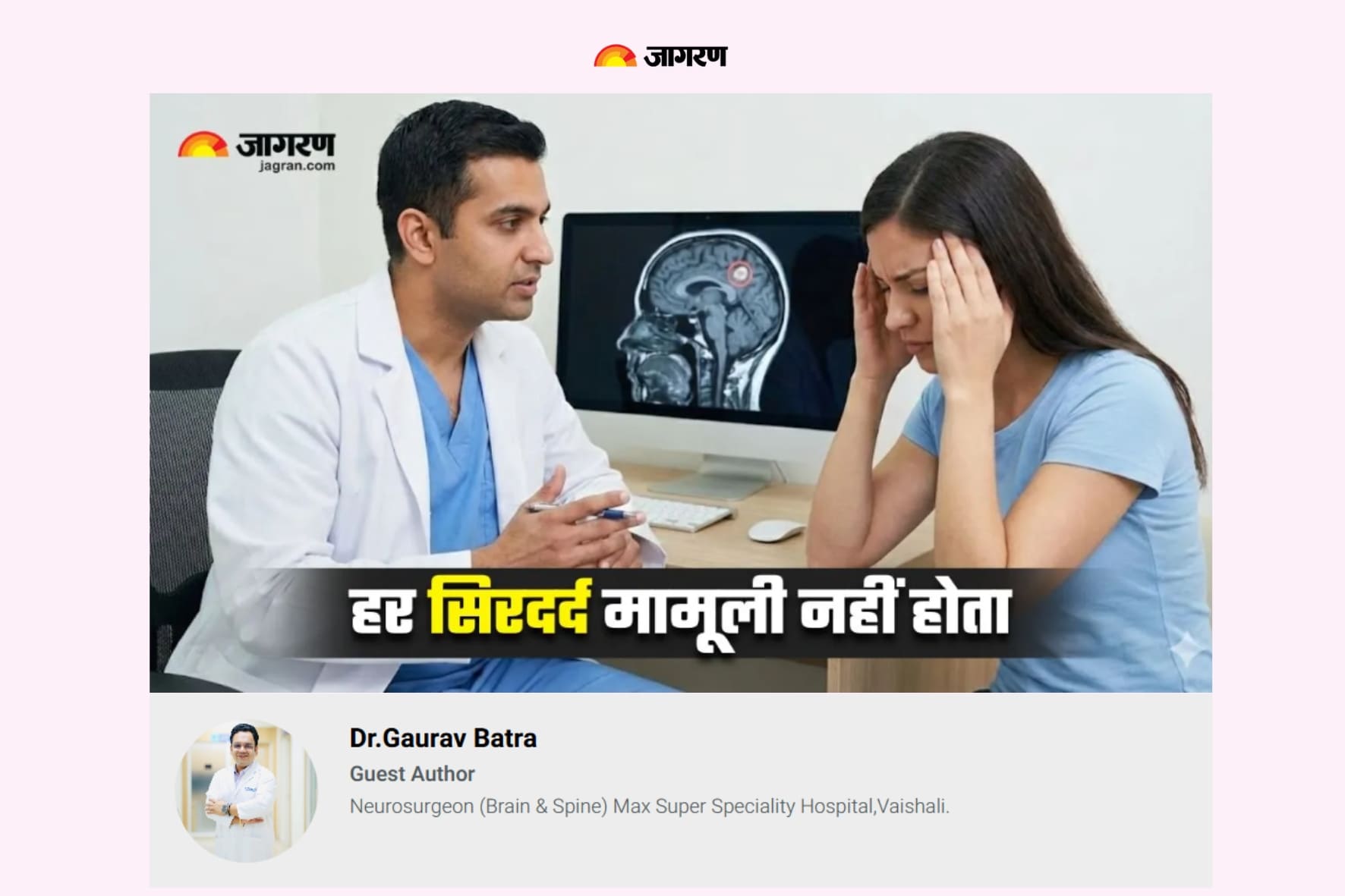
Could recurring headaches be a sign of a brain tumor? A neurosurgeon explains when you should be alert.
Lifestyle Desk, New Delhi. We often dismiss headaches as a minor problem. Stress, lack of sleep, dehydration, or eye strain can be common causes, but if you have a persistent headache, it keeps coming back, or it gets worse over time, it shouldn’t be taken lightly.
Dr. Gaurav Batra (Neurosurgeon – Brain & Spine, Max Hospital, Vaishali) explains that while headaches are often caused by benign causes, in rare cases they can be a sign of a serious illness, such as a brain tumor. Let’s explore this in detail.
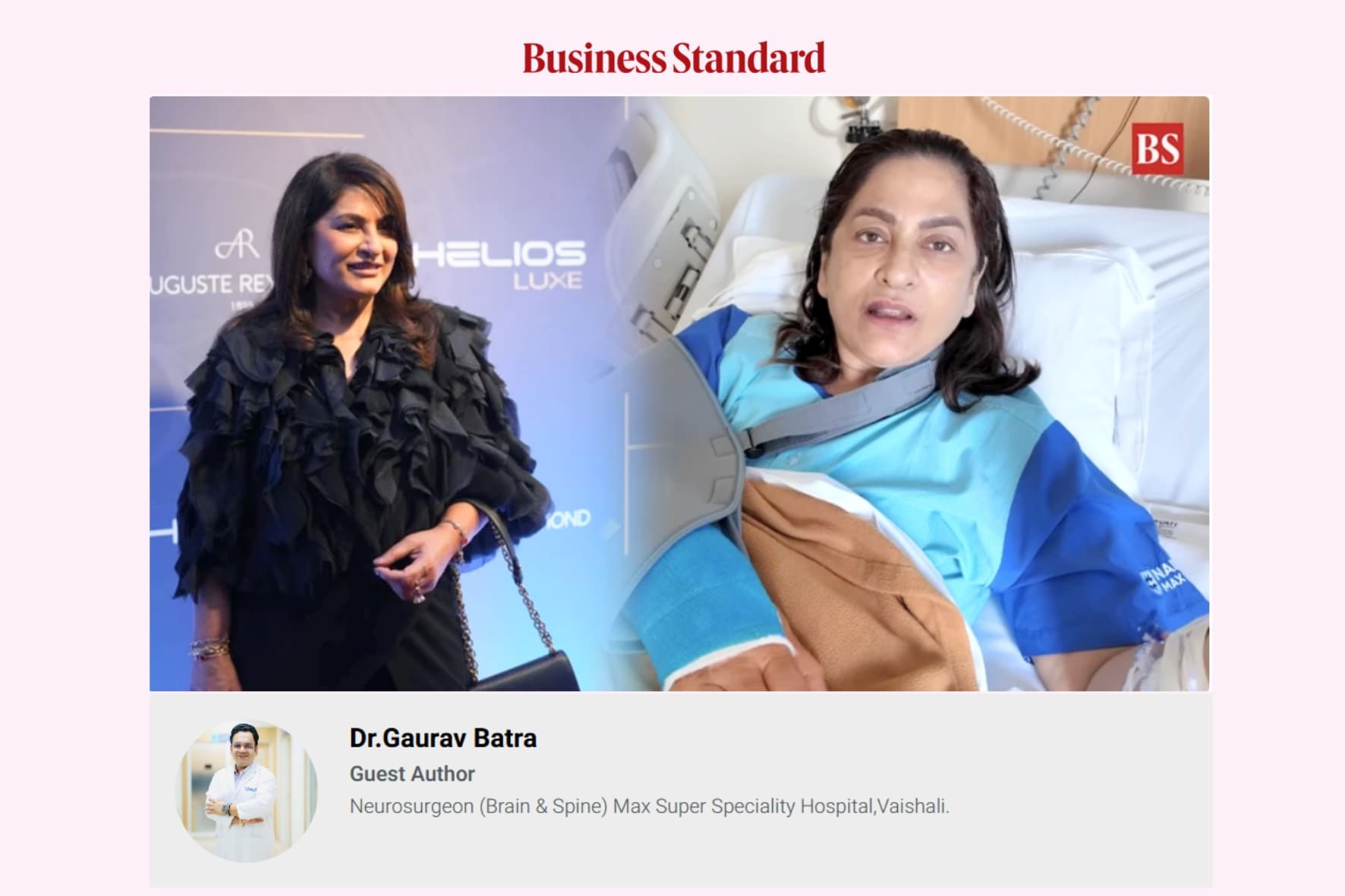
How hydrotherapy is helping Archana Puran Singh manage a rare pain disorder
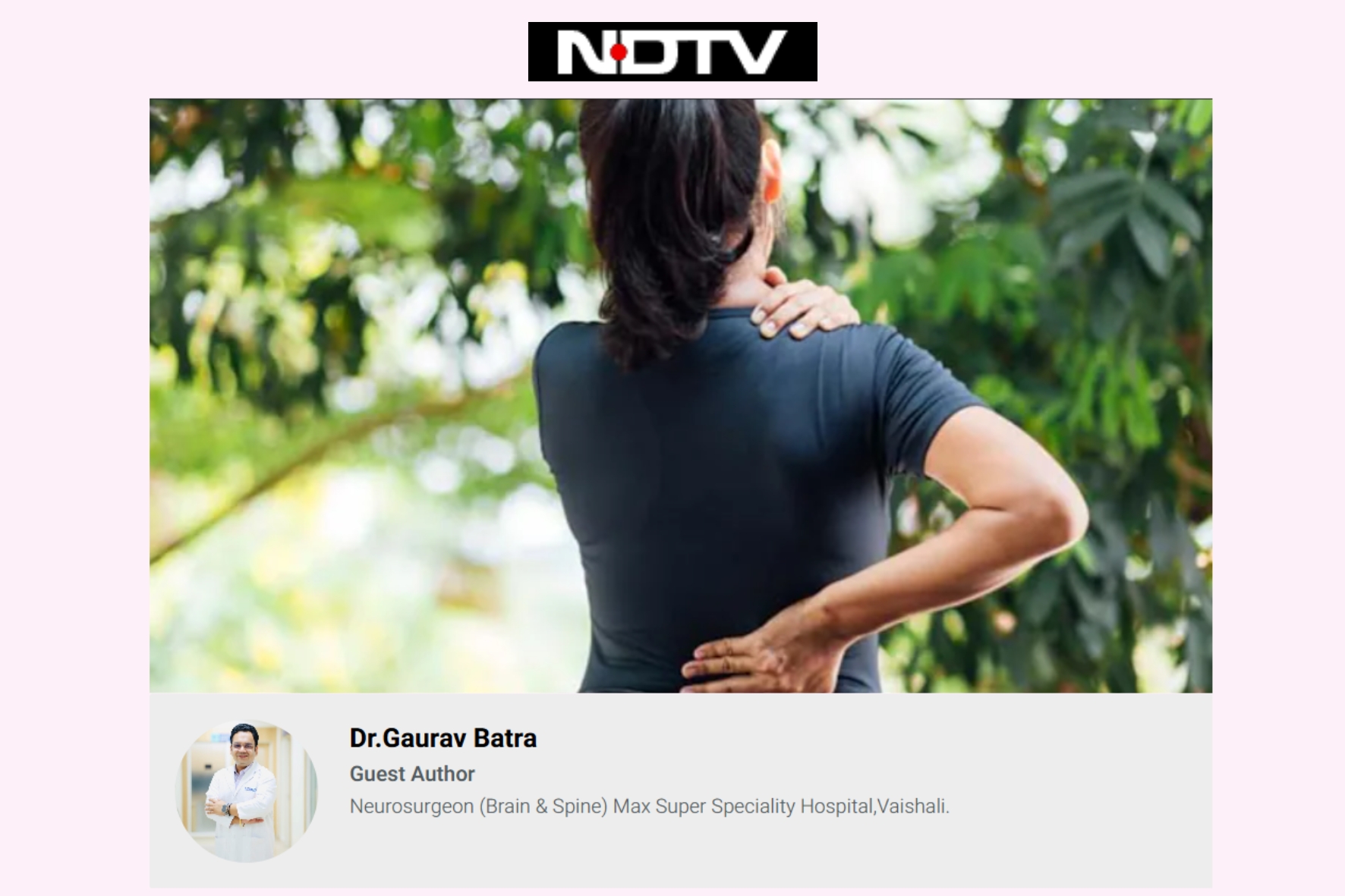
Back Pain Is A Common Concern Among All Age Groups, Says Doctor; How To Prevent It
Back pain isn’t just an age-related problem anymore; it’s a lifestyle warning sign.
From posture-related strain to disc degeneration and nerve compression, early recognition and timely intervention can prevent permanent neurological deficits.
Your spine protects your nervous system-don’t ignore its warning signs.
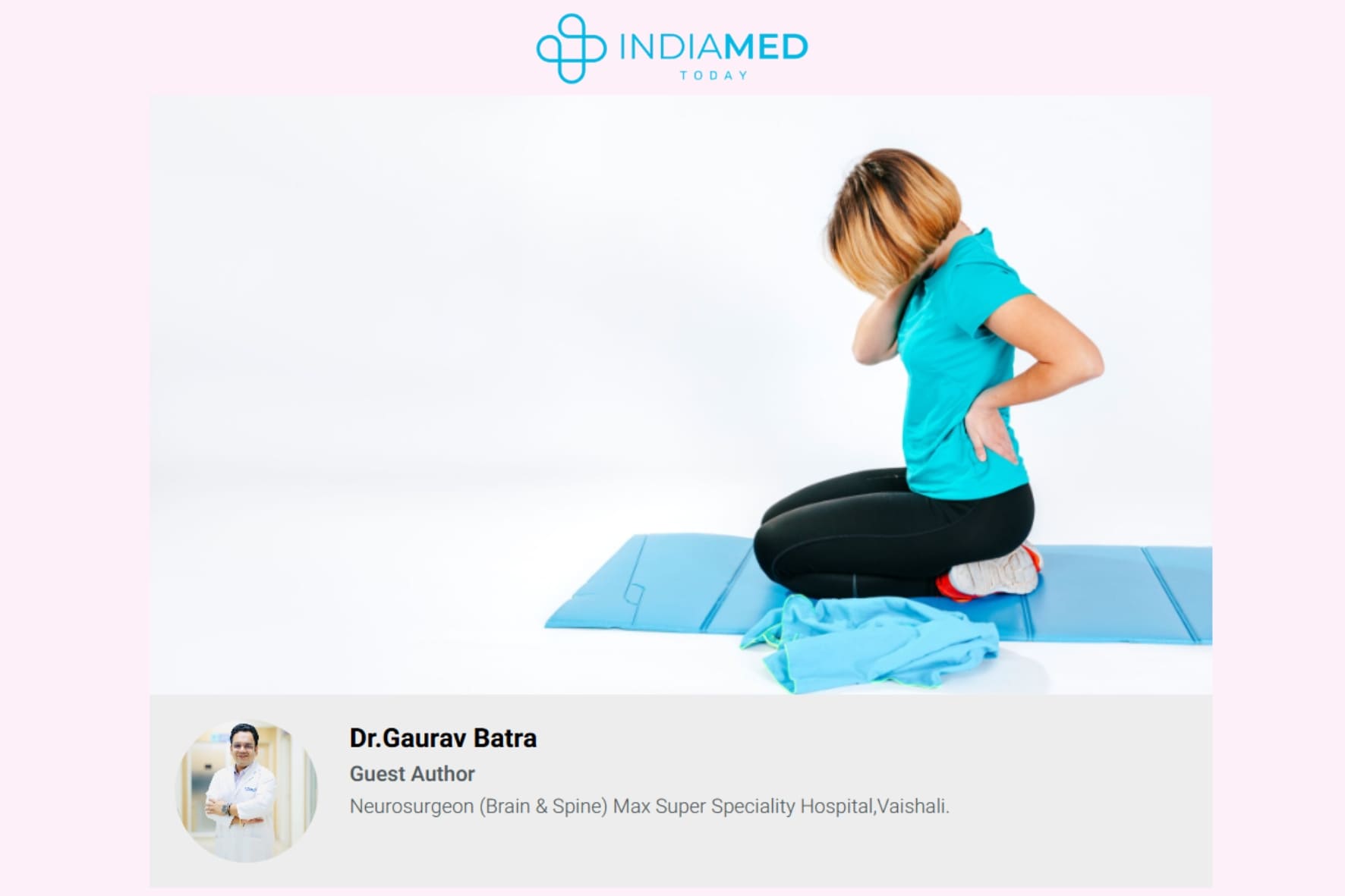
From School Bags to Screens: Why Back Pain Isn’t Only an Issue for Adults
Back pain is no longer just an adult problem. Children and teens today face rising spine issues due to heavy school bags, long hours on screens, poor posture and stress, warns neurosurgeon Dr Gaurav Batra from Max Super Speciality Hospital, Vaishali. Early awareness and healthy habits are key to protecting young backs.
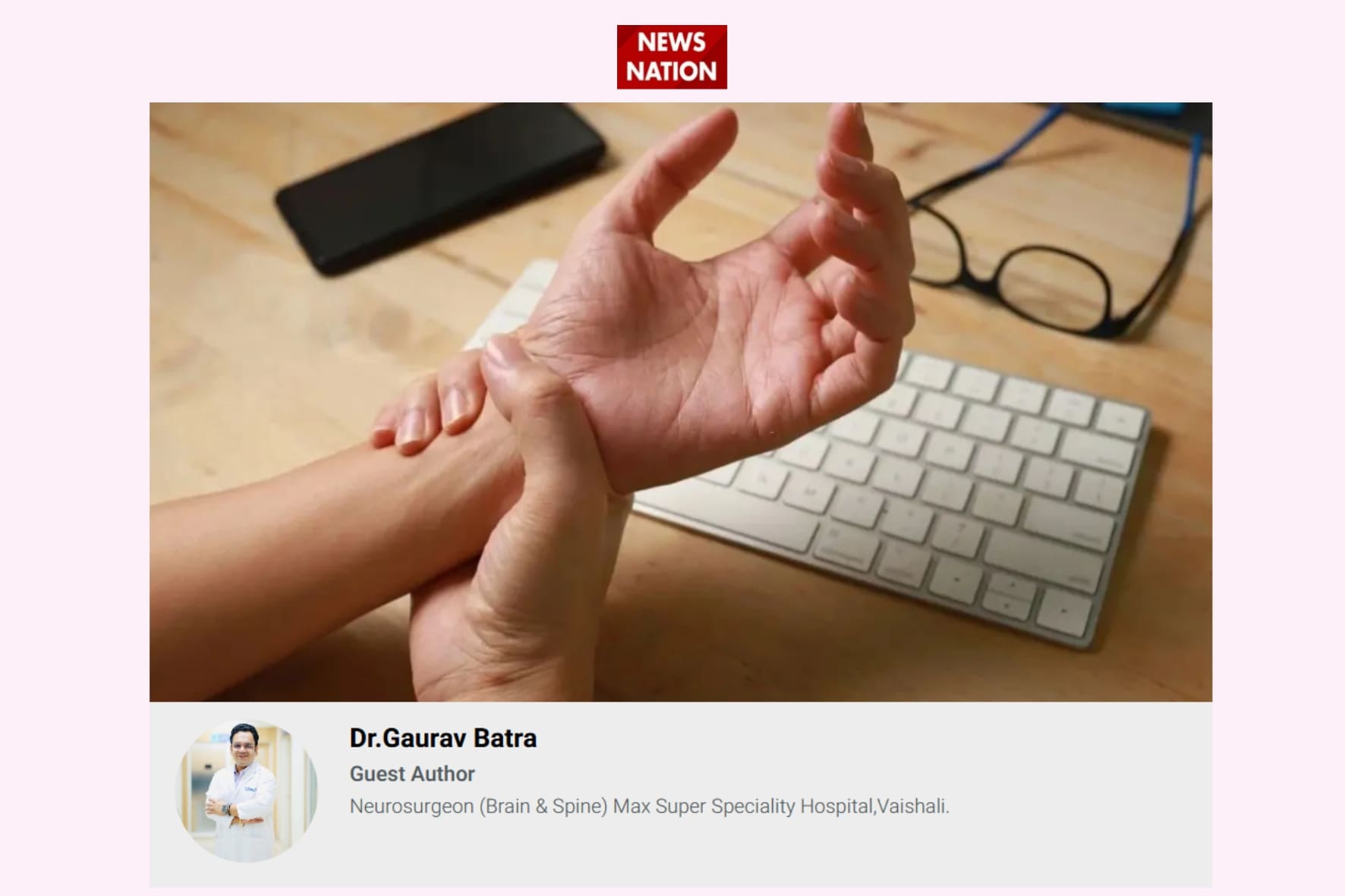
Do you also experience wrist pain from working on a keyboard for long periods of time? Learn from your doctor about ways to get relief.
Dr. Gaurav Batra, neurosurgeon at Max Hospital, Vaishali, explains that there’s a narrow passage inside our wrist called the carpal tunnel. A nerve called the median nerve runs through this passage. This nerve carries messages to the fingers and palm. When swelling or pressure builds up in this tunnel, the nerve becomes compressed. This is where the problem begins.
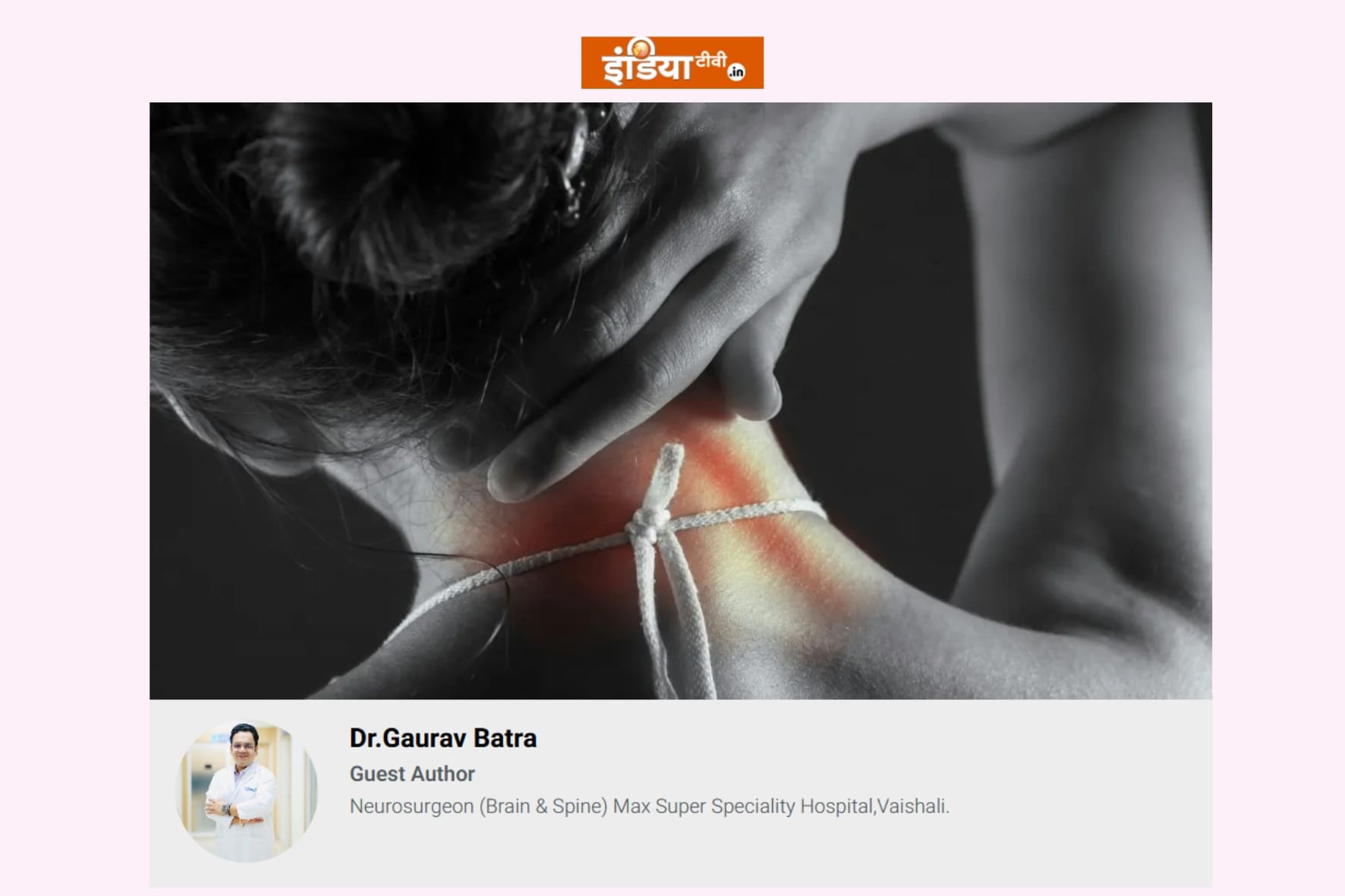
If you are experiencing pain in the back of your neck for a long time, do not be careless. Ask your doctor how serious the condition can be
Chronic neck pain isn’t just the result of simple fatigue or the wrong pillow. Sometimes, it can be a sign of a serious spinal problem. Dr. Gaurav Batra, a neurosurgeon at Max Hospital in Vaishali, says that this pain has become common these days due to prolonged hunching over mobile phones and computers, poor posture, and stress. However, if the pain persists for several weeks or months, worsens repeatedly, or spreads to the shoulders and arms, it shouldn’t be ignored.